Recycling and Sustainability for Commercial Waste Marylebone
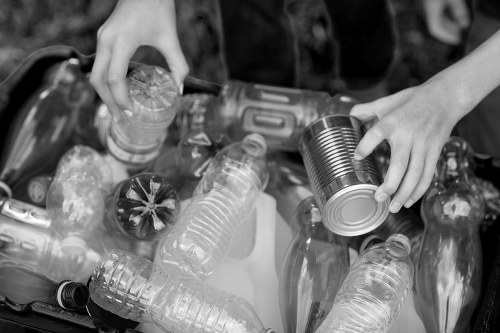 Commercial Waste Marylebone is committed to creating an eco-friendly waste disposal area that supports local businesses, residents and the wider borough. Our approach balances practical collection systems with ambitious environmental goals. We focus on reducing landfill, improving recycling rates and enabling a truly sustainable rubbish area across Marylebone and adjacent neighbourhoods.
Our primary recycling percentage target is 65% recyclable diversion by 2030, a measurable goal that drives service design, education and investment. To reach this percentage target we combine improved on-street separation, dedicated collections for organics and dry recycling, and expanded reuse schemes for bulky items. These measures reflect an integrated strategy: prevention, reuse, recycling and recovery before disposal.
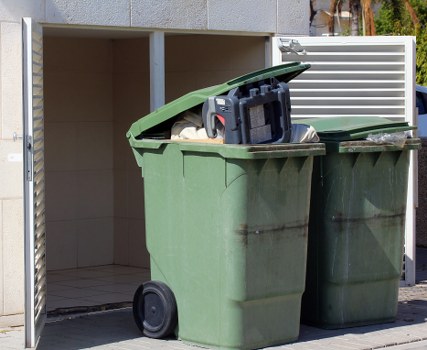 A practical backbone for our strategy is the network of local transfer stations and consolidation points that serve central London. We coordinate with nearby transfer facilities and materials recovery centres so that separated streams—paper, card, glass, plastics, metals and food waste—move quickly to the right treatment facilities. Key operational elements include:
- Scheduled handovers at local transfer stations to reduce double handling
- Consolidation hubs to minimize heavy vehicle movements through Marylebone
- Close liaison with neighbouring borough transfer sites to ensure high-value recyclates are sent for processing
Partnerships with charities and social enterprises are central to creating a sustainable rubbish area. We work with local reuse organisations who collect furniture, clothing and electricals, diverting usable items from waste streams and supporting community causes. These collaborations also include formal pick-up days and direct handovers at consolidation points, which help reduce contamination in recycling loads and increase reuse rates.
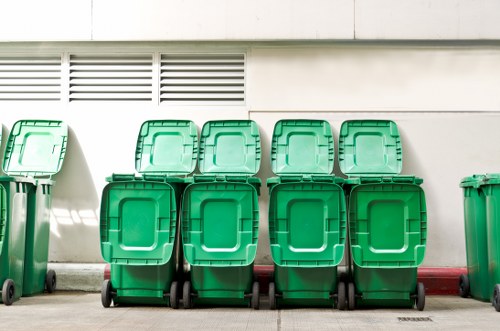 The boroughs around Marylebone have taken varied but complementary approaches to waste separation: kerbside food waste collection, communal glass banks, separate paper and card streams, and dry mixed recycling boxes for smart-sorting. Businesses in commercial zones are encouraged to follow similar separation standards, with clear signage and bin labelling to keep the sustainable rubbish area contamination-free. Practical steps we support include:
- Dedicated food waste containers for cafes and restaurants to be sent to anaerobic digestion
- Separate cardboard baling for retail and wholesale premises
- Electrical waste collection agreements with licensed collectors and charity refurbishers
On-site measures make a big difference. We advise businesses on internal segregation points, compacting and baling where appropriate, and optimised skip placement so that a sustainable waste area functions efficiently. Training for staff, easy-read posters and digital reminders all contribute to behavioural change. Clear, consistent communication reduces contamination and helps achieve the borough-wide recycling percentage target.
 Fleet choices are another pillar of our low-carbon strategy. Our distribution and collection vehicles are transitioning to low-emission vans and electric vehicles, including hybrid and fully electric models with telematics for route optimisation. The benefits are tangible: quieter streets, lower NOx and CO2 emissions and improved air quality in a densely populated urban area. Investments include charging infrastructure at consolidation hubs and phased replacement schedules for older diesel vehicles.
Operational monitoring and transparent reporting ensure progress is tracked. We publish periodic summaries of tonnages diverted, contamination rates and vehicle emissions reductions so stakeholders can see how actions translate into results. Material flows are carefully audited: organics to composting or anaerobic digestion, dry recyclables to materials recovery facilities, and bulky items to reuse partners.
Creating a Resilient Circular System
To support a robust circular economy in Marylebone, our plans emphasise resource recovery and continual improvement. This includes partnerships with local workshops that repair and refurbish goods, composting agreements for green waste and food residues, and preferential routing of high-quality recyclate to processors that can remanufacture or reuse materials.Operational highlights and business incentives
We provide guidance and incentives for businesses to join pooled collections and micro-consolidation schemes that reduce the number of vehicles and improve recycling yields. By sharing resources, small businesses can access the same recycling efficiency as larger operations without additional overhead. Key incentives include reduced collection frequencies for well-segregated waste streams and recognition for outlets that maintain low contamination rates.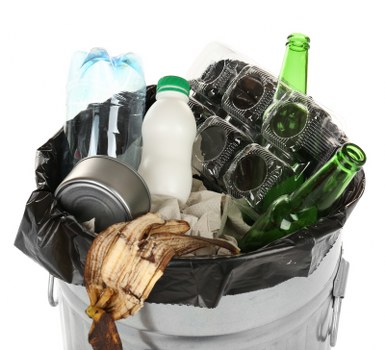 In summary, fostering an eco friendly waste disposal area and a resilient, sustainable rubbish area in Marylebone depends on measurable targets, smart logistics, charity partnerships and a low-carbon fleet. Together, these elements create an integrated service that slashes waste to landfill, boosts reuse and increases recycling percentages. With regular monitoring, local collaboration and clear separation practices reflecting borough-level schemes, Commercial Waste Marylebone aims to lead by example and help the local economy shift toward a low-waste future.
