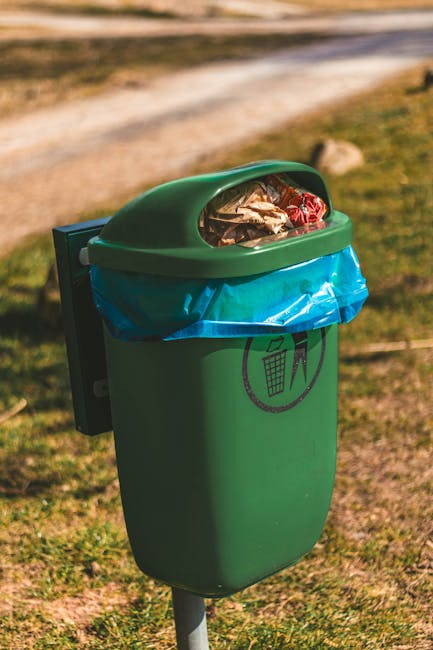
W1U Marylebone council tips for rubbish recycling and disposal
If you live, work, or manage property in W1U, rubbish collection can feel simple right up until it suddenly isn't. One extra bag in the wrong bin, a broken appliance left on the pavement, or a loft clear-out after a busy weekend, and the whole job becomes a bit messy. These W1U Marylebone council tips for rubbish recycling and disposal are designed to make that easier, with practical guidance for everyday household waste, bulky items, and the awkward stuff nobody really wants to think about.
Marylebone is one of those places where space is tight, access can be awkward, and the difference between "sorted" and "still sitting in the hallway" can be surprisingly small. So this article keeps things grounded: what usually works, what to avoid, how to separate waste sensibly, and when it makes more sense to use a professional service rather than trying to wrestle a sofa down three flights of stairs on your own. Truth be told, that last part is more common than people admit.
Table of Contents
- Why W1U Marylebone council tips for rubbish recycling and disposal Matters
- How W1U Marylebone council tips for rubbish recycling and disposal Works
- Key Benefits and Practical Advantages
- Who This Is For and When It Makes Sense
- Step-by-Step Guidance
- Expert Tips for Better Results
- Common Mistakes to Avoid
- Tools, Resources and Recommendations
- Law, Compliance, Standards, or Best Practice
- Options, Methods, or Comparison Table
- Case Study or Real-World Example
- Practical Checklist
- Conclusion
- Frequently Asked Questions
Why W1U Marylebone council tips for rubbish recycling and disposal Matters
Good rubbish sorting does more than keep your home tidy. In a dense central London postcode like W1U, it helps reduce missed collections, protects shared spaces, and makes recycling much more effective. It also cuts down on awkward situations with neighbours, building managers, or concierge teams who have to deal with abandoned bags, overflowing bins, and cardboard that somehow ends up blowing down the street at 8:15 on a wet Tuesday morning.
For residents, landlords, letting agents, and small businesses, the stakes are practical. Waste that is left incorrectly can attract pests, create odours, and make a property look neglected. Recycling correctly also makes it easier to separate reusable items from general rubbish, which is good for your wallet and the environment. And in Marylebone, where many buildings have limited storage and shared bin areas, tidy waste habits matter even more than they do in a suburban house with a big driveway.
There is also a simple reality here: rubbish disposal is easier when it is planned, not improvised. A few minutes of sorting before bin day often saves an hour of frustration later. That's the kind of trade-off most people are happy to take.
How W1U Marylebone council tips for rubbish recycling and disposal Works
The basic idea is straightforward: separate recyclable items from general waste, keep prohibited items out of standard bins, and use the right disposal route for bulky, electrical, or hazardous materials. In practice, the process works best when you think about waste by category rather than by room.
Here is the usual logic that helps in most W1U properties:
- Dry mixed recycling: clean paper, cardboard, plastic packaging, tins, and cans, where accepted.
- General rubbish: non-recyclable household waste, contaminated packaging, broken bits that cannot be reused, and everyday landfill waste.
- Bulky items: furniture, mattresses, appliances, and large household items that do not fit in standard bins.
- Special waste: paint, batteries, chemicals, sharps, and other items that should be handled separately.
- Green waste: garden cuttings, soil, branches, and related organic material, if you are dealing with outside waste at all.
If you are doing a flat clearance, office clear-out, or renovation tidy-up, the same principles still apply, but the scale is different. A single bag of food waste is one thing. Twelve boxes of mixed office clutter after a move? That becomes a planning job, not just a bin job. For those situations, it can help to look at broader services such as waste removal or more tailored options like office clearance and house clearance.
Key Benefits and Practical Advantages
When people sort rubbish properly, they usually notice the benefits quite quickly. It is not glamorous, but it works.
- Cleaner communal areas - fewer overfilled bins and less mess around bin stores.
- Lower contamination risk - recyclable loads are less likely to be rejected because the wrong items were mixed in.
- Less stress on collection day - you know where each item should go, so there is less last-minute panic.
- Better use of space - especially important in W1U flats, basement units, and converted buildings.
- Safer disposal of awkward waste - important for appliances, sharp items, and anything potentially hazardous.
- Better value for bigger clearances - separating items before disposal can make collection and recycling more efficient.
There is also the simple benefit of dignity, if we can call it that. Nobody enjoys hauling old furniture through a narrow hallway only to find the bin area already jammed. A little planning avoids that slightly defeated feeling. Been there, regretted that.
If you are dealing with furniture, a mattress, or an old appliance, you may find it useful to compare dedicated options like furniture disposal, mattress and sofa disposal, and fridge and appliance removal.
Who This Is For and When It Makes Sense
This guidance is useful for a wide mix of people in and around W1U. Some are just trying to clear out a few bags after a sort-out. Others are managing more complicated waste from tenancies, shops, offices, or refurbishment work.
It makes sense if you are any of the following:
- a tenant trying to stay on top of bin day without annoying the block manager
- a homeowner clearing out a spare room, loft, or garage
- a landlord or letting agent handling end-of-tenancy waste
- an office manager dealing with old equipment or paperwork
- a tradesperson or contractor generating builders' waste
- a small business owner wanting a tidy, compliant waste routine
For people dealing with a half-renovated flat, builder's rubble, or leftover packaging, a service like builders waste clearance can save time. If the issue is more about reclaiming space than disposing of a few bags, then loft clearance, garage clearance, or home clearance may be the better fit.
And if you are not sure whether the job is "small enough for the bins" or "too much for a quick tidy", that is usually your answer already. When a job starts demanding gloves, lift-outs, and a second trip for black bags, it has probably outgrown the ordinary routine.
Step-by-Step Guidance
Here is a practical way to handle rubbish recycling and disposal in W1U without overcomplicating it.
- Separate your waste before you carry it outside. Keep recycling, general waste, bulky items, and special waste apart from the start.
- Flatten cardboard and empty containers. This saves space and reduces the odds of a full bin from just a few boxes.
- Check for contamination. Food residue, liquid, and greasy packaging can ruin an otherwise recyclable load.
- Remove reusable items. If something still has life left in it, do not treat it like rubbish too quickly.
- Bundle the obvious bulky stuff. Tie together loose items where possible so they are easier to move and less likely to spill.
- Handle hazardous items separately. Anything sharp, chemical, or potentially harmful should not go in standard household waste.
- Plan the disposal route. Decide whether items go in the bin, need collection, or should be removed through a specialist service.
- Book the job early if needed. Bigger clearances are easier when you do not leave them until the evening before the deadline.
A small real-world example: a one-bedroom flat in Marylebone after a tenant move-out can look clean at first glance, then you open a cupboard and find carrier bags, broken hangers, old cables, and three different kinds of packaging. That is normal. The trick is to sort once, not six times.
If you need organised removal rather than just advice, flat clearance is often the neatest route for compact central London homes.
Expert Tips for Better Results
In our experience, the best waste routines are the boring ones. Boring is good here. Consistent, simple, repeatable. Here are a few tips that make a proper difference.
- Keep a small sorting station indoors. A recycling bag, a general waste bin, and a box for specials like batteries or cables can stop clutter from spreading.
- Photograph awkward items before disposal. Not because you need drama, but because it helps if you are comparing disposal options or checking what can be collected.
- Do a quick "what can be reused?" scan. A usable lamp, chair, or storage unit should not be thrown away too fast.
- Break down items where safe to do so. A dismantled wardrobe is much easier to move than a fully assembled one, obviously, but do not force anything that could cause injury.
- Keep hazardous and confidential waste out of casual piles. Old paperwork and dangerous materials need different handling.
- Use a single final staging point. One hallway corner or one designated room is easier than waste scattered across the property.
For mixed business waste, it can also help to set up a recurring system instead of treating every collection as a separate emergency. A proper business waste removal routine is often more efficient than ad hoc disposal, especially in a busy office where paper, packaging, and IT clutter build up quietly in the background.
And a slightly unglamorous but useful tip: do not wait until the bags smell. That is one of those lessons people learn exactly once.
Common Mistakes to Avoid
Most rubbish problems in W1U are not caused by bad intentions. They are caused by small mistakes repeated a few times. The good news is that they are easy to avoid once you know what to look for.
- Mixing recyclables with food waste. One greasy box can spoil a neat stack of cardboard.
- Overstuffing bins. If the lid cannot close properly, collections and storage become a nuisance.
- Leaving waste in communal areas. It might feel temporary, but it becomes everyone's problem fast.
- Disposing of appliances like ordinary rubbish. Fridges, freezers, and similar items usually need separate handling.
- Forgetting about sharp or hazardous items. Broken glass, blades, and chemicals should never be treated casually.
- Assuming "someone will move it later." In a shared building, that usually means nobody moves it, at least not promptly.
- Ignoring bulky waste until the end of the month. Then the pile feels twice as large and somehow heavier.
To be fair, some mistakes happen because people are rushing, not because they are careless. That is why a pre-sort matters. Five minutes at the start can save a whole afternoon of mild frustration.
If you are already facing a mixed pile of old chairs, shelves, and soft furnishings, the right service often matters more than trying to squeeze everything into standard waste streams. In those cases, furniture clearance can be a practical middle ground.
Tools, Resources and Recommendations
You do not need a complicated setup to manage rubbish well. A few basic tools and habits go a long way.
| Tool or resource | Best use | Why it helps |
|---|---|---|
| Strong bin bags | General waste and non-recyclable rubbish | Reduces spills and makes carrying easier |
| Cardboard flattening knife or box cutter | Breaking down packaging | Saves space and makes storage tidier |
| Labelled boxes or tubs | Battery, cable, paper, or reusable-item sorting | Keeps mixed waste from getting tangled up |
| Work gloves | Moving bulky or rough items | Helps with grip and basic hand protection |
| Rubbish sacks and temporary storage boxes | Short-term staging before disposal | Stops waste spreading through the property |
| Professional clearance service | Bulk, awkward, or time-sensitive waste | Useful when you need faster, cleaner removal |
If you want to understand how a broader recycling-led approach fits into waste management, it is worth reading the site's recycling and sustainability guidance. It gives a useful sense of why sorting and recovery matter beyond just "getting rid of stuff."
For some households and businesses, a straightforward pricing check is also sensible before committing to a clearance plan. The pricing and quotes page is a good place to start if you want to compare options without guessing.
Law, Compliance, Standards, or Best Practice
Waste handling in the UK is not just a matter of convenience. There are legal and practical expectations around how rubbish, recyclables, and special waste should be managed. You do not need to become a compliance expert, but you do need to avoid casual disposal habits that could create problems later.
As a general best practice, keep waste streams separate, do not dump prohibited materials in ordinary bins, and make sure anyone removing waste is operating responsibly. That matters for households, but it matters even more for businesses and landlords. Confidential papers, electrical items, construction debris, and potentially hazardous materials each need the right route.
For example, if your office is clearing old files, a confidential shredding process is usually more appropriate than just binning documents. If you are handling sharp, contaminated, or chemical waste, specialist handling is the safer choice. And if your property work involves building materials, please do not assume that every skip or load can take everything. There are limits and good reasons for them.
Best practice also means using insured, safety-conscious providers where relevant. That is especially reassuring in shared buildings where lifts, stairwells, and narrow entrances can make waste movement tricky. The company's insurance and safety information and health and safety policy are useful trust signals if you are comparing how a disposal job will be managed.
If you are ever unsure about a hazardous item, err on the side of caution. That is the cleanest rule here, really.
Options, Methods, or Comparison Table
Different waste types call for different disposal methods. The right choice depends on volume, access, item type, and how quickly you need the space back.
| Option | Best for | Pros | Limitations |
|---|---|---|---|
| Standard recycling and household bins | Everyday dry recycling and general rubbish | Simple, familiar, low effort | Limited capacity; not suitable for bulky items |
| Bulky waste or special collections | Large household items and one-off clear-outs | Better for furniture and awkward items | May require sorting, booking, and timing |
| Skip-style disposal | Renovation waste and larger mixed loads | Good capacity for a project | Space, access, and item restrictions can apply |
| Professional waste removal | Mixed, heavy, or time-sensitive rubbish | Fast, tidy, minimal lifting for you | Cost varies by volume and item type |
For many W1U properties, the professional route wins on practicality, especially when access is tight or the waste is mixed. If you are not sure what fits where, a resource like what can go in a skip is helpful for understanding common item categories before you book anything.
There is no prize for choosing the hardest option. A lot of people try to save money by doing everything themselves, then discover the lift is out, the boxes are awkward, and the whole thing costs them half a Saturday. Happens more than you'd think.
Case Study or Real-World Example
A fairly typical W1U example goes like this. A resident in a top-floor flat decides to clear out a spare room before new furniture arrives. The room contains old books, packing boxes, a broken bedside table, an outdated desk chair, and a small pile of electrical cables that nobody can identify with confidence.
At first glance, it looks like one easy rubbish run. But after sorting, the job becomes clearer: cardboard can be flattened, reusable items can be set aside, general waste can be bagged, and the broken furniture needs a separate disposal route. The cables and old chargers should not be thrown in with the rest unless they are accepted in a suitable collection stream.
What made the difference was not speed. It was sequence.
The resident sorted first, moved only the final waste to the hallway, and arranged proper removal for the bulky furniture. The result was a clean flat, no blocked corridor, and no last-minute panic the night before move-in. Small win, but a real one.
That same approach works just as well for a shop back room, a compact office, or a landlord turn-around after tenant changeover. If the job is larger or more awkward than a normal bin day can handle, the relevant service page for office clearance, home clearance, or waste removal can help you choose the next step.
Practical Checklist
Use this checklist before you put anything out for recycling or disposal.
- Have I separated recycling from general waste?
- Have I flattened cardboard and emptied containers?
- Have I removed food residue, liquid, or contamination where possible?
- Am I keeping batteries, chemicals, sharps, and other special items apart?
- Do any bulky items need a dedicated collection?
- Have I checked whether furniture, appliances, or mattresses should be handled separately?
- Is anything still reusable, repairable, or suitable for another home or workplace?
- Do I have safe access for carrying waste out of the property?
- Have I avoided leaving bags in communal or shared areas?
- Do I know who is collecting the waste and whether they are suitable for the job?
If you can tick most of those off, you are usually in good shape. If several answers are "not sure," that is a sign to slow down and sort a little more carefully before disposal day.
Conclusion
Good rubbish recycling and disposal in W1U is mostly about habit, timing, and making sensible choices for the kind of waste you actually have. That sounds almost too simple, but in a busy part of Marylebone, simple is a gift. Sort early, keep recyclables clean, treat bulky and hazardous items with care, and do not leave awkward waste to become a bigger problem than it needs to be.
For households, landlords, offices, and small businesses alike, the best approach is usually the one that keeps the space clear without creating extra stress. Some jobs are perfectly manageable with bins and a bit of discipline. Others are not. And that is fine.
If your rubbish situation is getting a bit out of hand, take the next step now rather than letting it sit. A tidy property feels lighter, calmer, and honestly more livable. That counts for a lot in central London.
Get a free quote today and see how much you can save.
Frequently Asked Questions
What is the best way to manage rubbish in W1U Marylebone?
The best approach is to separate recycling, general waste, bulky items, and any special waste before disposal day. That keeps things tidy and reduces mistakes.
Can I put mixed household rubbish in the recycling bin?
No, mixed rubbish can contaminate recycling. Keep dry recyclables clean and separate from food waste, grease, and non-recyclable items.
What should I do with old furniture in Marylebone?
Old furniture is usually better handled through a dedicated furniture disposal or clearance service, especially if it is bulky or hard to move.
How do I dispose of a fridge or freezer safely?
Fridges and freezers should not go in ordinary rubbish. They need proper appliance removal because they are bulky and may contain materials that require careful handling.
Are mattresses treated as normal waste?
Usually not. Mattresses are awkward, bulky, and often best handled through a specialist mattress and sofa disposal service rather than standard bin collection.
What happens if I leave rubbish in a communal area?
It can create access problems, mess, and complaints from neighbours or building managers. In shared buildings, it is best to remove waste promptly and not leave it sitting around.
Is it better to hire a waste removal service or do it myself?
It depends on the amount and type of waste. Small, simple loads may be manageable yourself, but bulky, mixed, or heavy waste is often easier and safer with professional help.
What is the safest way to deal with hazardous waste?
Keep it separate and do not place it with everyday rubbish. If you are unsure, use a specialist hazardous waste disposal route rather than guessing.
Can businesses in W1U use the same disposal approach as households?
Not always. Businesses often generate more mixed waste, confidential paperwork, packaging, or equipment, so a structured business waste removal plan is usually better.
What if I have a full flat or office to clear quickly?
If the waste is substantial or time-sensitive, a targeted clearance service is often the easiest option. Flat clearance, office clearance, or house clearance can be more efficient than trying to manage everything in small loads.
How can I avoid recycling contamination?
Rinse containers where practical, keep food out of dry recycling, and flatten cardboard. If you are unsure about an item, place it in the correct stream rather than guessing.
Where can I learn more about responsible waste handling?
It helps to review sustainability guidance, check item-specific disposal pages, and think in categories rather than individual objects. That keeps decisions much clearer, especially for mixed clear-outs.
Sometimes the simplest rubbish routine is the one that saves you the most time, and a little calm planning goes a long way.