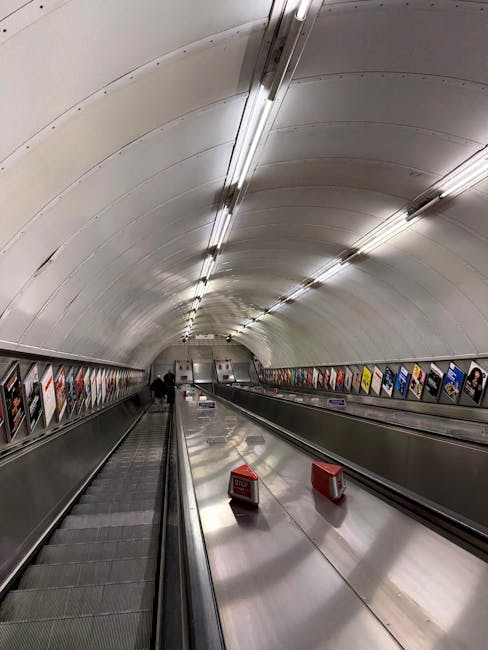
Marylebone Station Businesses Same Day Rubbish Collection: A Practical Guide for Fast, Low-Disruption Waste Removal
If you run a shop, office, clinic, cafe, or managed property near Marylebone Station, rubbish has a habit of turning up at the worst possible moment. One broken fridge, a pile of packaging after a delivery, or a back-room clear-out that can't wait until next week can quickly eat into space, time, and customer experience. That is where Marylebone Station businesses same day rubbish collection becomes genuinely useful: it gives local businesses a fast way to remove waste without letting it linger overnight. Done properly, it keeps the premises tidy, helps staff work safely, and avoids that awkward "we'll deal with it later" build-up that never really helps anyone.
This guide explains how same day business rubbish collection works, who it suits, what to expect, and how to choose the right approach when you need speed without cutting corners. Let's face it, in central London, a slow waste plan can become a daily headache.
Contents
- Why Marylebone Station businesses same day rubbish collection matters
- How same day rubbish collection works
- Key benefits and practical advantages
- Who this is for and when it makes sense
- Step-by-step guidance
- Expert tips for better results
- Common mistakes to avoid
- Tools, resources and recommendations
- Law, compliance, standards and best practice
- Options, methods and comparison table
- Case study or real-world example
- Practical checklist
- Conclusion
- Frequently asked questions
Why Marylebone Station businesses same day rubbish collection Matters
Marylebone Station sits in a part of London where space is tight, footfall is steady, and appearances matter. Businesses here rarely have the luxury of leaving waste out of sight for long. When rubbish starts to stack up, the impact is immediate: staff lose room to work, customers notice clutter, and safety risks creep in. A cardboard spill in a rear corridor or an old desk blocking a fire exit is not just untidy; it can become a real operational problem.
Same day collection matters because it protects momentum. If you are fitting out a new office, clearing stock after a refurb, or dealing with an unexpected equipment failure, speed can stop a small issue from becoming a bigger one. In a place like Marylebone, where many businesses operate from compact premises or shared buildings, fast rubbish removal often makes the difference between a smooth day and a messy one.
There is also the reputational side. A clean entrance, a clear delivery area, and a tidy back-of-house space say something important about your standards. People notice more than you think. The smell of stale packaging, wet cardboard, or food waste by the bin store on a warm afternoon? That lingers. Not ideal.
For businesses that already use business waste removal on an ongoing basis, same day collection is often the emergency back-up that keeps operations moving when plans change at short notice.
How Marylebone Station businesses same day rubbish collection Works
The process is usually straightforward, but it helps to know what happens behind the scenes. Same day rubbish collection is designed for speed, yet the best operators still need a clear description of what needs removing, where the waste is located, and whether anything requires special handling. The more precise you are upfront, the smoother the day tends to go.
In most cases, a business will outline the waste type, approximate volume, access details, and preferred collection window. A team is then dispatched with the right vehicle and lifting equipment. If the job involves bulky furniture, mixed commercial waste, appliance disposal, or builders' debris, the crew may need a little extra planning. That is normal. It is better to be realistic than to pretend three overloaded filing cabinets are "just a few bits".
Same day service is often used for one-off clearances, but it can also support recurring business operations. For example, a restaurant may need fast removal after a kitchen equipment replacement, while an office may need urgent clearance after a desk move or archive purge. The key is that waste is removed on the same day it is reported, subject to availability and access.
If your load includes mixed items, it can help to separate anything that belongs in a specialist stream. For instance, confidential papers may need confidential shredding, and damaged appliances may be better handled through fridge and appliance removal. That keeps the job efficient and avoids unnecessary delays.
Key Benefits and Practical Advantages
The biggest benefit is obvious: speed. But speed alone is not the whole story. Good same day rubbish collection should save time, reduce stress, and make the site safer to work in. When done well, it gives your team a clean reset without the disruption of a drawn-out clear-out process.
- Fewer interruptions: staff can get back to work sooner instead of stepping around waste.
- Cleaner customer areas: reception spaces, shop floors, and entrances look professional.
- Better safety: fewer trip hazards, less blocked access, and less clutter near exits.
- More flexible operations: you can respond quickly to last-minute changes, deliveries, or refits.
- Reduced storage pressure: useful where bins, yards, and service areas are already tight.
- Less stress for managers: one less thing to chase when the day is already busy.
There is a practical advantage that often gets overlooked: same day collection can stop waste becoming "someone else's problem" inside the business. When rubbish sits around, people stop seeing it. Then it becomes normal. A quick collection interrupts that drift before it sets in.
For larger clear-outs, same day collection can also complement planned services such as office clearance or builders waste clearance when a project needs a final sweep before reopening.
Who This Is For and When It Makes Sense
Same day rubbish collection is not just for emergencies, although that is often how people find it. It is useful for a surprisingly wide range of Marylebone Station businesses and building managers.
- Offices: for desk replacements, archive clear-outs, broken furniture, or post-move waste.
- Retail units: for packaging, display furniture, stockroom waste, and end-of-line goods.
- Hospitality venues: for old appliances, kitchen refresh waste, and back-of-house clutter.
- Clinics and professional services: for furniture, filing, and safe disposal of unwanted items.
- Managed residential blocks: for communal rubbish, abandoned items, and landlord clearances.
- Fit-out and maintenance teams: for quick removal after trades finish the visible work.
It makes sense when waste is stopping work from moving forward, when access needs to be restored quickly, or when a landlord, tenant, or client expects the space to be handed back promptly. If that sounds familiar, you are probably in the right territory.
A small example: a cafe near the station gets a new fridge delivered at 8 a.m., but the old one cannot stay in the narrow prep area until the following week. Same day collection solves the problem before lunch service, which is exactly the point.
Step-by-Step Guidance
If you want the process to go smoothly, it helps to think in stages. Nothing fancy. Just a clean sequence that keeps everyone on the same page.
- Identify what needs removing. Make a quick list of items and waste types. Separate general rubbish from bulky items, appliances, confidential paper, or anything potentially hazardous.
- Estimate the volume. You do not need to measure in millimetres. Just be honest about whether it is a handful of bags, a roomful of furniture, or several mixed items from a refit.
- Check access. Can a vehicle stop nearby? Is there a lift? Are there stairs, loading restrictions, or concierge rules? Central London access details matter more than people expect.
- Decide on urgency. If the space must be clear before opening hours, tell the provider as early as possible. Same day service is about timing, and timing can be tight.
- Ask about sorting. Some jobs are simple. Others need item separation for recycling, donation, or specialist disposal.
- Book and confirm. Give a clear contact number, the collection address, and any entry instructions. This saves a lot of back-and-forth later.
- Prepare the waste area. Put items in one place if possible, but do not block exits or fire routes. A little preparation goes a long way.
- Review the collection before sign-off. Make sure the agreed items have been taken and the area is left tidy.
That sequence sounds simple because, truth be told, it is. But simple is good when a workday is already packed.
Expert Tips for Better Results
In our experience, the smoothest same day collections come from businesses that do three things well: they communicate clearly, they separate special waste early, and they give realistic access details. That is half the battle right there.
- Take a quick photo set before booking. Even a few phone pictures can make the job easier to estimate.
- Keep hazardous or specialist waste apart. Do not mix everything into one pile if some items need different handling.
- Notify building management early. Especially if there are loading bay rules, concierge procedures, or strict entry times.
- Choose a collection window that fits your trading pattern. Early morning or between service rushes is often less disruptive.
- Ask about recycling and reuse. Reputable providers will usually try to separate recyclable material where practical.
- Be careful with access obstacles. A blocked stairwell or locked service door can undo an otherwise easy job.
A small operational tip: if your business generates waste in bursts, keep a "same day list" ready. It can be as basic as a note on the manager's phone. That way, when the big clean-out day arrives, you are not hunting through memory and sticky notes at 4:30 p.m. which, as you know, is never the best time for admin.
If sustainability matters to your team, consider aligning urgent collections with your broader waste plan and reading the site's guidance on recycling and sustainability. Small improvements add up, especially in busy premises.
Common Mistakes to Avoid
Most delays with urgent waste jobs are surprisingly predictable. The good news is they are easy to avoid once you know what tends to go wrong.
- Underestimating the amount of waste: a "few bags" often turns into a van full.
- Not mentioning bulky items: furniture, appliances, and awkward shapes can affect the vehicle and crew required.
- Ignoring building access rules: loading bays, time restrictions, and concierge checks can slow everything down.
- Mixing ordinary waste with specialist waste: this can create compliance issues and delays.
- Leaving waste until the last minute: if the business needs to open, close, or hand over the space, time disappears quickly.
- Choosing purely on speed, not reliability: same day should still mean professional handling, not a rushed, messy collection.
One of the more awkward mistakes is forgetting that a tidy collection area helps the crew work quickly. If waste is scattered across several rooms, every extra trip eats time. That sounds obvious, but businesses forget it all the time.
Tools, Resources and Recommendations
You do not need specialist software to organise a same day rubbish collection, but a few simple tools make the process smoother.
- Phone camera: useful for quick photos of waste piles and access points.
- Basic inventory list: helps you separate furniture, paper, packaging, appliances, and anything delicate.
- Site contact sheet: keep names and numbers for reception, facilities, and building management.
- Calendar reminders: useful for timed access windows or collections tied to a move-out deadline.
- Internal waste notes: a simple log of what went out and when can help with office management and cost control.
For businesses that regularly deal with end-of-life furniture, it may be worth understanding the difference between furniture clearance and furniture disposal. The first is often about removing multiple items quickly; the second is about making sure individual pieces are handled appropriately. Small wording difference, big practical value.
And if your job involves renovation waste or mixed construction debris, a helpful reference point is what can go in a skip. Even if you are not hiring a skip, it gives a good sense of what belongs in general waste and what may need separate handling.
Law, Compliance, Standards and Best Practice
Waste handling for businesses in the UK is not something to treat casually. You do not need to become a compliance expert overnight, but you do need to make sensible choices. In practice, that means using a provider that understands duty of care, disposal routes, and safe handling for the material involved.
For business customers, the main concern is usually not the legal detail itself, but whether the waste is collected, transported, and processed responsibly. Mixed commercial waste, electrical items, confidential material, and anything that could be classified as hazardous all deserve extra care. If you are unsure whether an item needs specialist treatment, ask before collection rather than after. That is the safer move, every time.
Health and safety also matters on site. A good provider should have procedures for moving heavy items, protecting staff, and reducing risk in shared corridors or public-facing areas. If your premises are busy, ask about insurance, access planning, and how the crew will manage lifting and transport. It is not overkill. It is sensible.
Where relevant, a business may also want to review internal policies on safety and security, especially if sensitive documents or regulated materials are involved. For example, a secure premises may need specific handling for paper records, which is why services like confidential shredding can be useful.
For a fuller sense of how the company approaches safe work and trust, you can also look at the pages on health and safety policy and insurance and safety. Those details matter more than people think when there is pressure to clear a site quickly.
Options, Methods and Comparison Table
When a business needs waste gone the same day, there are usually a few ways to handle it. The right choice depends on volume, access, speed, and the type of material involved.
| Option | Best for | Strengths | Limitations |
|---|---|---|---|
| Same day rubbish collection | Urgent business waste, bulky items, mixed clear-outs | Fast, flexible, minimal delay, suited to central London sites | Subject to availability and access conditions |
| Planned business waste removal | Routine waste streams and ongoing disposal needs | Predictable, easier to schedule, helpful for regular operations | Not ideal when the waste needs to go immediately |
| Office or furniture clearance | Multiple items, refits, end-of-lease clear-outs | Good for larger projects and organised removal | May be broader than necessary for a small urgent job |
| Skip-based removal | Longer projects with a static waste pile | Useful for ongoing refurbishment or heavy debris | Requires space and may not suit tight Marylebone access |
For many Marylebone businesses, same day collection wins simply because the location is busy and the space is limited. A static skip may be perfect in some settings, but on a narrow street or tight service road it is not always the cleanest answer. The best method is the one that fits the actual site, not the one that looks easiest on paper.
Case Study or Real-World Example
Here is a realistic scenario. A small consultancy near Marylebone Station is preparing for a room reconfiguration after lunch. The team has removed old office chairs, a damaged storage unit, and several bags of shredded paperwork. The corridor is starting to feel cramped, and the landlord wants the space tidy before the next morning's visitors arrive.
The manager makes a quick inventory, checks that the lift is available, and separates a box of confidential papers from the general waste. A same day collection is arranged, and the crew clears the bulky items first so the walkway opens up immediately. The final sweep takes less time than the original mess took to create. That is often how it goes, oddly enough. Waste accumulates slowly, then disappears fast once someone takes charge.
The benefit is not only visual. The office feels calmer. Staff can move through the room without weaving around furniture legs and bin bags. The manager gets a clean handover, the landlord is happy, and the team starts the next day without that low-level clutter hanging over them. Small thing? Maybe. But in a busy office, small things become big things pretty quickly.
Practical Checklist
Use this checklist before booking Marylebone Station businesses same day rubbish collection:
- List every item that needs removing.
- Separate general rubbish from appliances, furniture, paper, and specialist waste.
- Estimate the volume honestly.
- Confirm access details, loading restrictions, and entry points.
- Tell the provider about stairs, lifts, narrow corridors, or parking issues.
- Check whether any items need confidential shredding or special handling.
- Make sure the collection will not block customers, staff, or fire exits.
- Have one person available to confirm the collection on the day.
- Ask how waste will be sorted or recycled where possible.
- Review the agreed items before the crew leaves.
Expert summary: Fast rubbish collection works best when the business gives clear information, the waste is grouped sensibly, and the access plan is realistic. If any of those three are missing, the job usually takes longer than it should. Simple, but true.
Get a free quote today and see how much you can save.
Conclusion
For businesses near Marylebone Station, same day rubbish collection is less about convenience and more about keeping the day under control. It helps you clear space quickly, reduce safety risks, and maintain a professional environment when schedules shift and waste appears out of nowhere. That could be an office refresh, a retail reset, a cafe equipment change, or a landlord handover. Different setting, same basic need: get the rubbish gone without drama.
The best results come from clear communication, sensible sorting, and choosing a collection method that fits the building, the timing, and the waste type. If you plan a little, the process is surprisingly smooth. And if you do not have time to plan? Well, that is exactly when same day support earns its keep.
Sometimes the cleanest business decision is simply making room again.
Frequently Asked Questions
What does same day rubbish collection mean for businesses near Marylebone Station?
It means waste is collected on the same day you request it, subject to availability, access, and the type of rubbish involved. It is especially useful when clutter is affecting trading, safety, or handover deadlines.
Is same day collection suitable for offices and retail units?
Yes. Offices, retail spaces, hospitality venues, and managed buildings often use it for furniture, packaging, appliances, and mixed commercial waste that cannot wait until the next scheduled collection.
Can I book same day rubbish collection for bulky items?
Usually, yes. Bulky items such as desks, chairs, shelving, and appliances are commonly collected the same day, although the provider may need access details and a better estimate of the load.
How do I prepare my business for a same day collection?
Group the waste in one place if possible, separate specialist items, confirm access instructions, and make sure nothing is blocking exits or customer pathways. A few minutes of prep saves a lot of faff.
What if I have confidential paper to dispose of?
That should be separated from general rubbish and handled through a secure process such as confidential shredding. It is best not to mix sensitive documents into ordinary waste bags.
Can appliance waste be taken the same day?
Yes, in many cases. Fridges, freezers, and other appliances can often be removed as part of a same day job, but it is wise to mention them in advance because they may need different handling.
Is same day rubbish collection better than hiring a skip?
It depends on the site and the job. Same day collection is usually better for urgent, short-notice clearances and tight central London access. A skip may suit longer projects with space for static storage.
What kind of businesses use urgent rubbish collection most often?
Offices, shops, cafes, restaurants, clinics, and property managers are common users. It is often booked after a refit, a delivery issue, a move, or an unexpected equipment failure.
How can I avoid delays on the day?
Give precise access details, be realistic about the amount of waste, and separate anything specialist before the crew arrives. Most delays happen when the waste or the building details were not clear enough.
Does same day collection help with recycling?
It can. Many collections separate recyclable material where practical, especially cardboard, metal, and some furniture. If sustainability matters to your team, ask how items will be processed.
What should I do if I am not sure whether an item is allowed?
Ask before the collection is booked. If something may be hazardous, sensitive, or regulated, it is better to check than to assume. That one conversation can save a lot of trouble later.
How soon should I book if I need waste gone today?
As early as possible. Same day service is built for urgency, but availability can vary, especially in busy central London areas. Early contact gives you the best chance of a smooth slot.