Marylebone rubbish removal guide for Baker Street flats
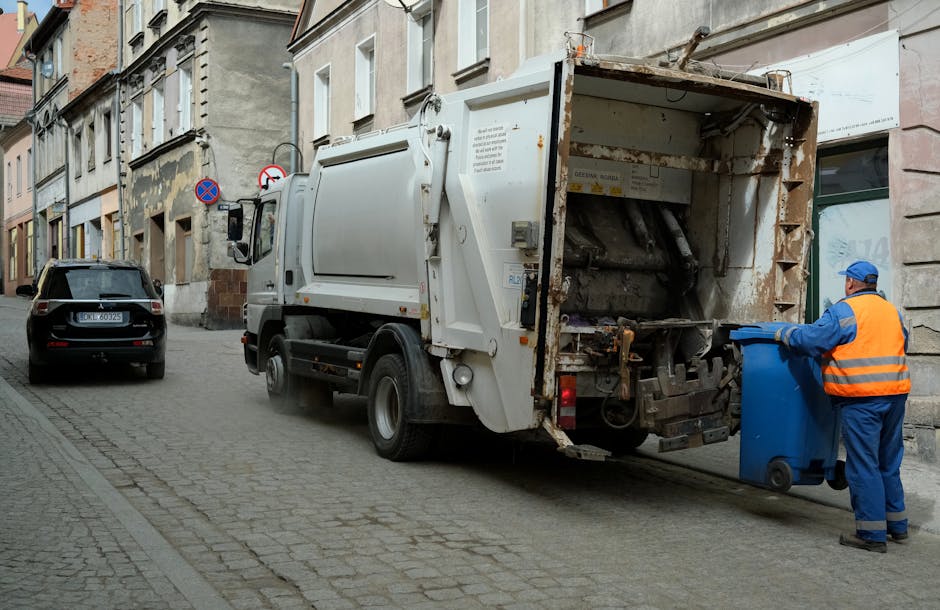
If you live in a Baker Street flat, you already know rubbish removal is never quite as simple as "take it downstairs and bin it." Narrow stairwells, lift timings, porters, neighbours, basement access, awkward parking, and the general pace of central London can turn a quick clear-out into a small project. This Marylebone rubbish removal guide for Baker Street flats is here to make that easier. It explains how flat clearance usually works, what to prepare, which items need special handling, and how to avoid the most common headaches. Truth be told, a bit of planning saves a lot of lifting.
Whether you are getting rid of a sofa, clearing a rental flat after a tenancy, or dealing with mixed household waste after renovations, the goal is the same: remove everything safely, legally, and with as little disruption as possible. Below you will find a practical, local-first guide written for real flats, real staircases, and real London schedules.
Why Marylebone rubbish removal guide for Baker Street flats Matters
Baker Street flats tend to be a mix of period conversions, mansion blocks, purpose-built apartments, and newer developments tucked into busy streets. That variety is lovely for character, but less lovely when you need to move a bulky wardrobe through a shared hallway at 8am. You may have limited lift access, strict building rules, or neighbours who are not thrilled by banging furniture against a stair rail. In other words: the setting matters.
A clear rubbish removal plan helps you avoid rushed decisions. It also reduces the chance of leaving waste in communal areas, which can create fire safety issues, complaints, or extra charges from building management. If you are dealing with household items, mixed junk, or full flat contents, it helps to think beyond the immediate "get rid of it" moment and consider access, sorting, timing, and disposal route. That is especially true in Marylebone, where streets can be tight and time slots can be unforgiving.
There is another reason this matters. London flats often generate mixed waste rather than simple bin bag rubbish. You might have a broken chest of drawers, an old mattress, packaging from a refurbishment, a fridge that no longer works, or confidential paperwork that needs secure handling. A sensible removal plan makes it easier to separate these items properly, which supports safer handling and better recycling outcomes.
Expert summary: In Baker Street flats, the best rubbish removal plan is usually the one that starts with access, not with lifting. Measure, sort, schedule, then clear. That order keeps things calm.
How Marylebone rubbish removal guide for Baker Street flats Works
At a practical level, rubbish removal for a Baker Street flat usually follows a simple sequence. First, you identify what needs to go. Then you separate reusable items, recyclable materials, general waste, and anything that requires specialist disposal. After that comes access planning: where the team can park, how they will enter the building, whether there is a lift, and whether large pieces can actually fit through the route. Small detail? Not really. It is often the whole game.
From there, the removal itself is straightforward. A crew arrives, loads the agreed items, and clears the space. Depending on the job, that could mean a one-off item collection, a partial flat clearance, or a larger mixed-waste removal. If you are preparing for a move, an end-of-tenancy inspection, or a renovation, the service can be timed to fit that deadline rather than the other way around.
In our experience, the smoothest clearances are the ones where the client has already grouped items by room. A small pile by the front door, a few labelled boxes, and a quick note about anything fragile or hazardous goes a long way. It is simple, but then again simple is usually what works.
If you want to compare options before booking, it can help to review flat clearance services alongside the wider waste removal approach. For larger pieces such as worn armchairs or old white goods, related services like furniture disposal, mattress and sofa disposal, and fridge and appliance removal may be more appropriate than trying to bundle everything into one casual trip.
Key Benefits and Practical Advantages
Good rubbish removal does more than make a flat look tidy. It removes friction. You stop stepping around old items, reclaim useful space, and reduce the mental clutter that comes with piles of "I'll deal with it later." If you have ever tried to work from a small Baker Street flat while a broken desk leans in the corner, you will know the feeling.
- Less disruption: A planned clearance avoids dragging items through the building several times.
- Safer handling: Heavy or awkward objects are moved with the right equipment and enough people.
- Cleaner handover: Handy for landlords, agents, and tenants at the end of a tenancy.
- Better space use: Especially useful in compact flats where every metre matters.
- More responsible disposal: Reusable and recyclable items can be separated rather than dumped together.
- Less stress: Probably the biggest benefit, even if it sounds a bit obvious.
There is also a practical financial angle. When a job is organised properly, you are less likely to pay for repeat visits, emergency removal, or last-minute building clean-up. That matters if you are coordinating with cleaners, decorators, or an incoming tenant. A lot of problems, to be fair, start with bad timing rather than bad waste.
If sustainability is important to you, take a look at recycling and sustainability to understand how sorting and responsible disposal can support a cleaner outcome without making the whole process feel complicated.
Who This Is For and When It Makes Sense
This guide is useful for a broad mix of Baker Street residents and property professionals. You may need it if you are:
- moving out of a flat and need everything cleared quickly
- dealing with a bulky item that will not fit into normal bins
- refreshing a rental property between tenants
- clearing out a cluttered spare room, loft cupboard, or storage area
- disposing of old furniture after a redecorating project
- handling a post-refurbishment tidy-up with mixed debris
- supporting an older relative who has accumulated years of household items
- managing a property portfolio with multiple flat turnovers
It also makes sense if you are planning ahead rather than reacting in a panic. That might sound almost too sensible for London life, but it works. If you know a delivery is coming, a lease is ending, or builders are arriving on Monday, book removal before the pile becomes unmanageable.
For flat owners and landlords, a broader clearance can also be useful. Services such as home clearance, house clearance, or even office clearance may be a better fit if the job stretches beyond one room or includes mixed contents from a relocation.
Step-by-Step Guidance
Here is the most practical way to approach rubbish removal in a Baker Street flat. Nothing fancy. Just a sequence that keeps you in control.
- Walk through the flat room by room. Make a rough list of what is staying, what is going, and what needs special handling.
- Separate items by type. Put furniture, soft furnishings, appliances, general waste, and paperwork into different groups if possible.
- Check access details. Note lift size, stair width, parking constraints, concierge hours, and any building rules.
- Identify awkward or risky items. Fridges, large mirrors, mattresses, sharp metal, or anything with liquid inside deserves extra care.
- Choose the right service scope. A simple item removal is not the same as a full flat clearance, and you do not want to overbook or underbook.
- Book a suitable time slot. Aim for a time when access is easiest and shared areas are quiet.
- Prepare the space. Clear hallways, protect flooring if needed, and make sure the route to the exit is unobstructed.
- Confirm what stays and what goes. A quick final check avoids accidental removals. That part matters more than people think.
- Allow for post-clearance tidying. A final sweep or vacuum usually makes the flat feel properly finished.
One small but useful habit: take photos of any high-value, fragile, or hard-to-identify items before they are moved. Not because you expect trouble, but because it gives everyone clarity. It takes a minute. Sometimes that minute saves an awkward conversation later.
Expert Tips for Better Results
After enough flat clearances, a few patterns become obvious. The jobs that go best are usually the ones where access has been thought through before the team arrives. If you are in a Victorian conversion with a narrow staircase, measure the awkward turns. If the lift is tiny, say so upfront. No one enjoys discovering that a wardrobe is too wide once it is already halfway out of the bedroom. Bit of a grim little puzzle, that.
Another tip: be ruthless about sorting items before the booking. If you are keeping something, move it into another room. If you are unsure, put it in a separate "check later" pile. Don't let it hover in the middle of the floor. Hovering items become arguments.
For mixed loads, ask how special items will be handled. A mattress is not a filing cabinet. A fridge is not just "another box." And hazardous items, even in small amounts, should never be quietly mixed into general waste. If you have chemicals, paints, aerosols, or similar items, specialist handling is the sensible route. You can read more about that through hazardous waste disposal.
Finally, build in a little time buffer. If the clearance is tied to a move-out or cleaning appointment, give yourself breathing room. Baker Street traffic is not exactly famous for being cooperative, and a 20-minute delay can ripple through your whole day. Happens all the time.
Common Mistakes to Avoid
Most rubbish removal problems are preventable. The trouble is, people often underestimate the practical bits.
- Leaving sorting until the last minute: That turns a manageable job into a rushed one.
- Ignoring access restrictions: If a building needs booking-in or has lift rules, plan for it early.
- Mixing everything together: Recyclables, furniture, and hazardous items should not all go into one undifferentiated heap.
- Forgetting about bulky dimensions: A sofa might fit in the room but not around the corner.
- Not checking what should stay: It is surprisingly easy to remove something you meant to keep.
- Assuming all waste is handled the same way: It is not, and treating it that way can cause delays.
- Blocking communal areas: In shared blocks, this can create tension fast.
One recurring mistake is treating a flat clearance like a simple bin run. In a Baker Street flat, that is rarely true. There is usually at least one awkward item, one access issue, and one timing constraint. The trick is not pretending those things do not exist. It is planning around them.
Tools, Resources and Recommendations
You do not need much specialist equipment to prepare a flat for rubbish removal, but a few basic tools make life easier:
- strong bin bags for loose general waste
- marker pens and labels for sorting rooms or item groups
- tape or straps for keeping drawers closed or small parts together
- gloves for handling dusty or awkward items
- a tape measure for furniture widths and hallway clearances
- basic cleaning supplies for the final tidy-up
If you are clearing a flat that contains mixed contents, it can be helpful to compare a few service types before booking. For example, furniture clearance suits bulky household pieces, while builders waste clearance is better after a renovation or strip-out. If paperwork or sensitive files are part of the job, confidential shredding may also be relevant.
For planning and trust signals, it is worth reviewing company information pages as well. The pages on about us, insurance and safety, health and safety policy, and payment and security help you understand how a provider approaches the job behind the scenes. That matters. Anyone can say they are careful; the useful bit is seeing how they actually work.
Law, Compliance, Standards, or Best Practice
For rubbish removal in London flats, the safest approach is to follow established UK best practice: dispose of waste through lawful channels, keep hazardous items separate, and avoid leaving rubbish in communal spaces or outside buildings without proper arrangement. Exact rules can vary by building, landlord, and local arrangements, so it is always wise to check what applies to your property before moving anything large or unusual.
From a practical perspective, the main compliance points are simple. Do not dump. Do not mix hazardous materials with ordinary household rubbish. Do not block escape routes, shared entrances, or fire doors. And do not assume that a bulky item can be left by the bins and sorted out later. It rarely ends well.
If you are arranging a clearance in a managed block, there may also be internal procedures for contractor access, loading bay use, or lift protection. These are not just bureaucratic hurdles. They are there to protect the building and keep everyone sane. A quick conversation with building management or concierge can save a proper mess.
On the provider side, good practice usually includes clear pricing, appropriate handling methods, attention to safety, and responsible disposal routes. If a company is transparent about its pricing and quotes and explains how it manages recycling and sustainability, that is usually a reassuring sign.
Options, Methods, or Comparison Table
Choosing the right route depends on the amount, type, and urgency of waste. Here is a simple comparison to help.
| Method | Best for | Pros | Watch out for |
|---|---|---|---|
| Ad hoc bagging and bin use | Small amounts of ordinary waste | Quick, cheap, simple | Not suitable for bulky items or large volumes |
| DIY disposal trips | People with vehicle access and time | Flexible, direct control | Parking, lifting, and multiple trips can be tiring |
| Skip hire | Projects with steady waste volumes | Useful for mixed project waste | Space, permits, and loading limits can be an issue |
| Man and van rubbish removal | Flat clearances, bulky items, time-sensitive jobs | Fast, less lifting for you, convenient in tight streets | Needs good access details and clear item lists |
For many Baker Street flats, a removal service is the most practical option because the access is often too limited for casual DIY trips and the waste too bulky for normal bins. If you are not sure whether skip hire or clearance is more suitable, review what can go in a skip alongside your item list. It gives you a decent reality check before you commit.
Case Study or Real-World Example
Here is a realistic example from the kind of job that comes up often. A tenant in a Baker Street flat is moving out on Friday morning. They have a broken bed base, a sagging mattress, an old dining chair, two boxes of mixed household clutter, and a compact fridge that stopped working months ago. The lift is small, the corridor is shared, and the flat management asks that any contractor book in advance.
The sensible approach is simple: sort the items the evening before, separate the mattress and fridge from lighter waste, clear the hallway, and confirm building access details ahead of time. The team arrives with the right equipment, removes the bulky pieces carefully, and loads the smaller waste in one visit. The tenant then vacuums the flat, does a final cupboard check, and hands it back on time. No drama. No last-minute scramble. Just a clean handover.
That kind of job sounds ordinary, but ordinary is exactly what you want. Quiet, efficient, done properly. A surprisingly satisfying thing, actually, especially when you can hear the flat go still afterwards.
Practical Checklist
Use this checklist before your Baker Street flat clearance:
- Make a list of everything going, room by room
- Separate bulky items from loose waste
- Identify any hazardous or restricted items
- Measure large furniture and tricky hallway turns
- Check lift access, booking rules, and loading restrictions
- Confirm what needs to stay in the flat
- Clear walkways and remove obstacles
- Set aside paperwork or valuables you want to keep
- Decide whether you need furniture, appliance, or mattress-specific disposal
- Leave time for a final sweep after the clearance
If you are dealing with a larger or more varied load, you may also want to look at flat clearance, loft clearance, or garage clearance depending on where the clutter has accumulated. Different spaces create different waste patterns, and that is perfectly normal.
Conclusion
Marylebone rubbish removal for Baker Street flats is all about planning the job around the building, the items, and your deadline. If you get access right, sort the waste early, and choose the right type of clearance, the process becomes much less stressful than people expect. That is the real takeaway. Not glamorous, maybe, but very useful.
For residents, landlords, tenants, and agents, the smartest approach is to think one step ahead: what is leaving, how it moves, and where it needs to go. A good clearance restores space, clears the mind a bit, and leaves the flat ready for whatever comes next. And honestly, in a busy part of London, that kind of calm is worth a lot.
Get a free quote today and see how much you can save.
If you are comparing providers, use the information on book online and the company's service pages to see what suits your flat, your timing, and your access conditions. A few minutes of checking now can spare you a very long afternoon later.
Frequently Asked Questions
What is the best way to arrange rubbish removal for a Baker Street flat?
The best way is to sort your items first, check access details such as lifts and parking, then book a clearance that matches the size and type of waste. For compact flats, a man-and-van style collection or flat clearance is often the most practical choice.
Can I leave rubbish in the communal hallway before collection?
Usually, no. Shared hallways are often fire routes or common access areas, so leaving items there can cause safety issues or complaints. Keep everything inside your flat until the collection team arrives and the route is clear.
What items are most awkward in Baker Street flats?
Large sofas, mattresses, wardrobes, fridges, and heavy tables are common troublemakers because of narrow staircases and tight corners. Even a small item can become awkward if the route to the exit is restrictive.
Do I need to sort recyclables before the collection?
It helps, yes. Sorting cardboard, metal, wood, soft furnishings, and general waste makes the job smoother and supports better disposal decisions. It is not always essential, but it usually saves time.
What should I do with old appliances?
Appliances such as fridges, freezers, and washing machines should be handled separately from ordinary waste. They often need specific removal arrangements because of weight, size, and disposal considerations. Fridge and appliance removal is the safer route.
Is furniture disposal different from general rubbish removal?
Yes, because bulky furniture often needs different handling, especially if it must be dismantled or carried through shared spaces. Furniture disposal and furniture clearance are designed for that kind of load.
How far in advance should I book a flat clearance?
If the job is straightforward, a short lead time may be enough. But for end-of-tenancy moves, managed buildings, or larger clearances, it is better to book earlier so access and timing can be coordinated properly.
What if I have confidential paperwork to dispose of?
Keep it separate and do not place it with general rubbish. Secure destruction is the sensible option for sensitive documents, and confidential shredding is the relevant service category.
Can rubbish removal help after a small renovation?
Absolutely. If you have plaster, packaging, broken fixtures, or mixed debris from a refurbishment, a builders waste clearance approach is usually more suitable than ordinary household waste collection.
What if some items might be hazardous?
Do not mix them into general waste. Paints, chemicals, aerosols, and similar materials should be identified early and kept separate. If in doubt, treat them cautiously and choose a specialist route such as hazardous waste disposal.
How do I know whether skip hire or removal is better?
Skip hire can suit ongoing project waste, but flats often have limited space for a skip and may need extra permissions. Removal services are usually easier for bulky household items and tighter access. If you are unsure, compare your waste type with what can go in a skip before deciding.
What is the biggest mistake people make with flat rubbish removal?
The biggest mistake is underestimating access. People plan the waste but forget the staircase, the lift size, the corridor turns, or the building rules. Once those details are checked, everything else becomes far more manageable.